On August 13, the 2026 HKRIT AI + Technology Forum, hosted by HKRIT and supported by the Zhou Peiyuan Foundation and the Yangtze River Delta AI Alliance, was held at the Shanghai New International Expo Centre. Under the theme “AI + Empowering Cross-Regional Upgrades of Science & Technology Industrialization,” the forum brought together experts, research leaders, and industry representatives from the mainland, Hong Kong, and Macao. Centered on frontier AI tracks, the event featured academic exchange, industry collaboration, and talent recognition, effectively advancing the sharing of science and technology innovation resources between the Yangtze River Delta and the Guangdong-Hong Kong-Macao Greater Bay Area — injecting AI-driven innovation into the national “15th Five-Year Plan” science and technology innovation agenda and the regional coordinated development strategy.
Forum Review
Artificial intelligence is the core engine leading a new round of technological revolution and industrial transformation, and a key lever for cultivating new quality productive forces. The Yangtze River Delta boasts a complete industrial system and rich application scenarios, while the Greater Bay Area excels in international research resources and openness to the outside world. The two innovation hubs are highly complementary with broad room for cooperation. Anchored in the national strategy of regional coordinated development and aligned with Hong Kong and Macao’s “Three-Five” science and technology innovation plans, the forum built a platform for exchange and cooperation across key fields including humanoid embodied robots, specialized AI computing chips, the low-altitude economy, digital intelligent manufacturing for rail transit, AI-enabled precision medicine, digital language services, and AI intellectual property protection. It worked to remove bottlenecks in industry-academia-research translation, bring frontier technologies into the real economy, and deepen the integrated development of science and technology innovation between the mainland, Hong Kong, and Macao.
The forum was declared open by Prof. Jiang Jiahong, with Prof. Huo Yuanming moderating the morning keynote session. Ms. Alla, President of the European Academy of Engineering Sciences, delivered the opening address, interpreting AI development trends from a global engineering and technology perspective. Prof. Leung Wai-keung, Associate Vice-President of Hang Seng University of Hong Kong and Chairman of the Hong Kong Council for Accreditation of Academic and Vocational Qualifications, opened the sessions with “Learning in the AI Era: Transfer, Transformation and Transcendence,” drawing on years of cross-border industry and university management experience to explore new approaches to cultivating innovative talent and translating knowledge into outcomes.
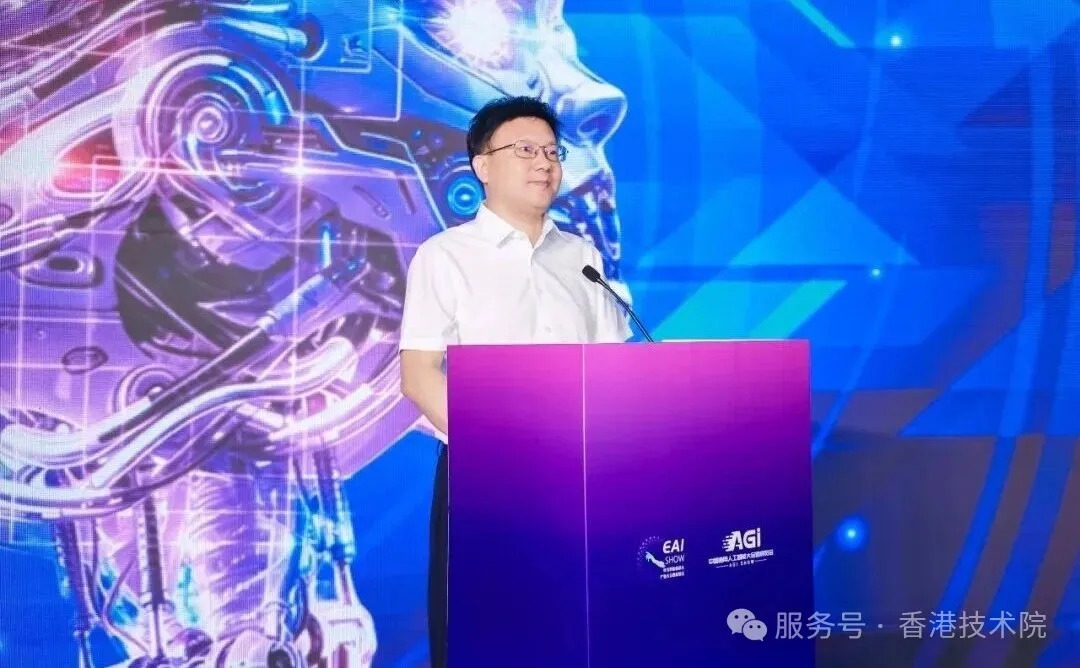 Prof. Jiang Jiahong declaring the forum open
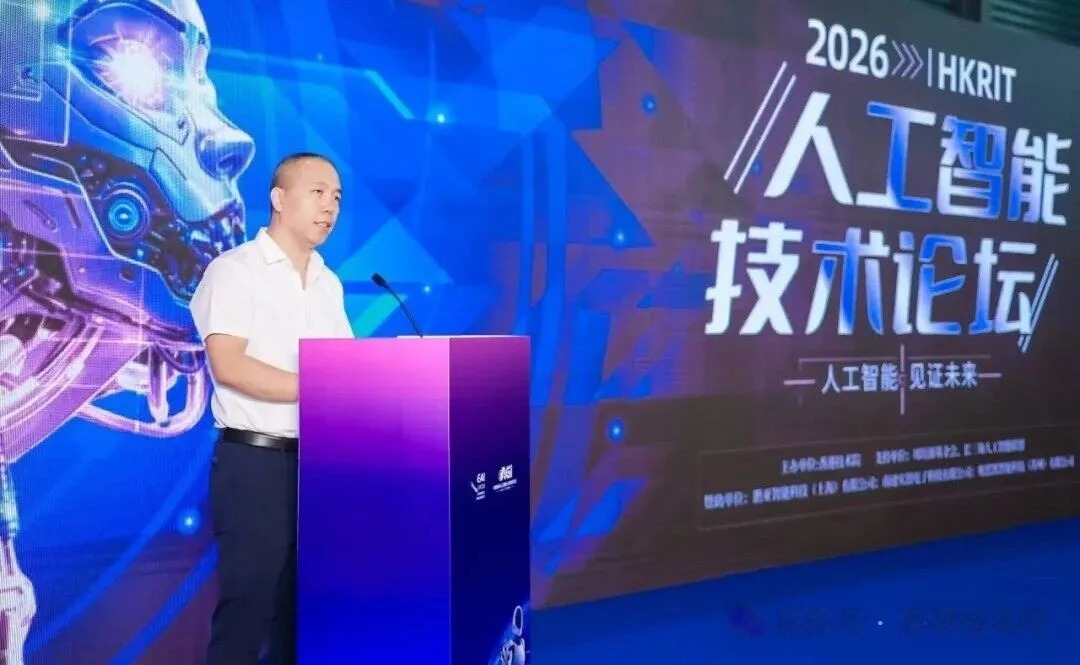 Prof. Huo Yuanming moderating the keynote session
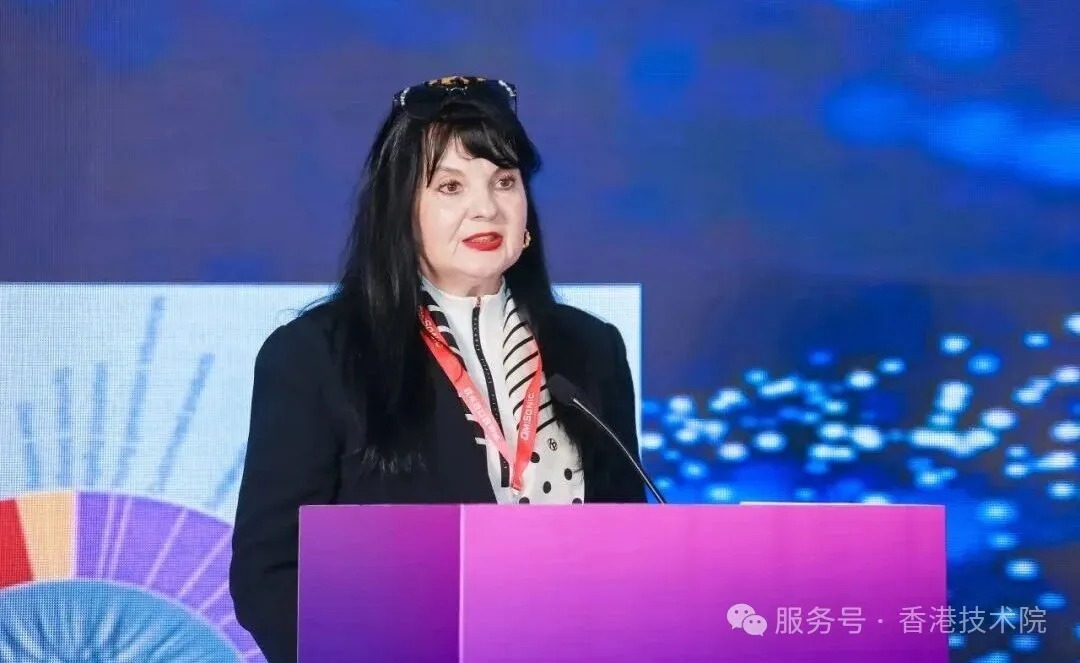 Ms. Alla, President of the European Academy of Engineering Sciences, delivering the address
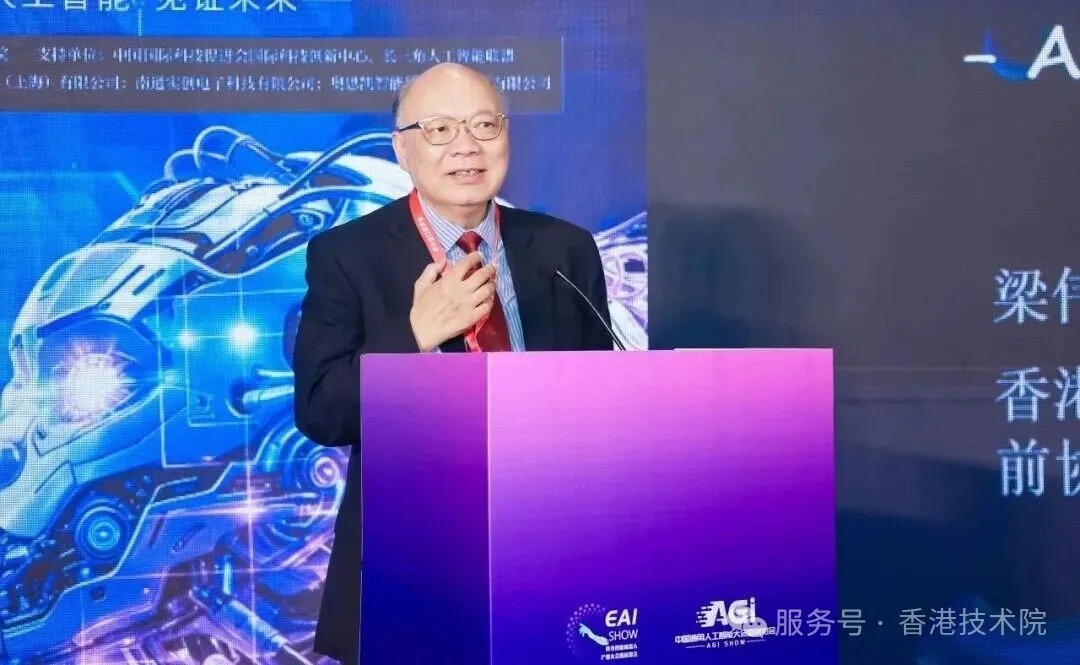 Prof. Leung Wai-keung, Associate Vice-President of Hang Seng University of Hong Kong
A succession of national-level high-caliber talents and leading industry experts delivered featured talks:
Prof. Zhong Weihe, President of the Macao Institute of Sino-Western Innovation, elaborated on practical paths for digital language services to boost regional economic integration; Prof. Ma Yide, Dean of the School of Intellectual Property at the University of Chinese Academy of Sciences, systematically analyzed directions for building an IP protection system under AI development; Prof. Yan Lei of Peking University interpreted new opportunities for the internationalization of the Greater Bay Area’s low-altitude industry around the building of international standards for the low-altitude economy; Dr. Li Huachao of the Public Works Bureau of the Macao SAR Government introduced the application of AI in digital manufacturing for rail transit; Researcher Feng Junqiu of Shenzhen University of Advanced Technology shared practices in the integrated development and industrialization of computing chips for humanoid robots in the Greater Bay Area; and Dr. Li Zhihui, Chief Physician of Beijing Gobroad Boren Hospital, demonstrated innovative achievements of AI-empowered precision diagnosis and treatment of hematological diseases. The presentations spanned basic research, hardcore manufacturing, emerging industries, public health, and the rule of law, enabling cross-regional and cross-disciplinary exchange of ideas and providing clear references for technology translation and industrial adoption to research institutions and market players.
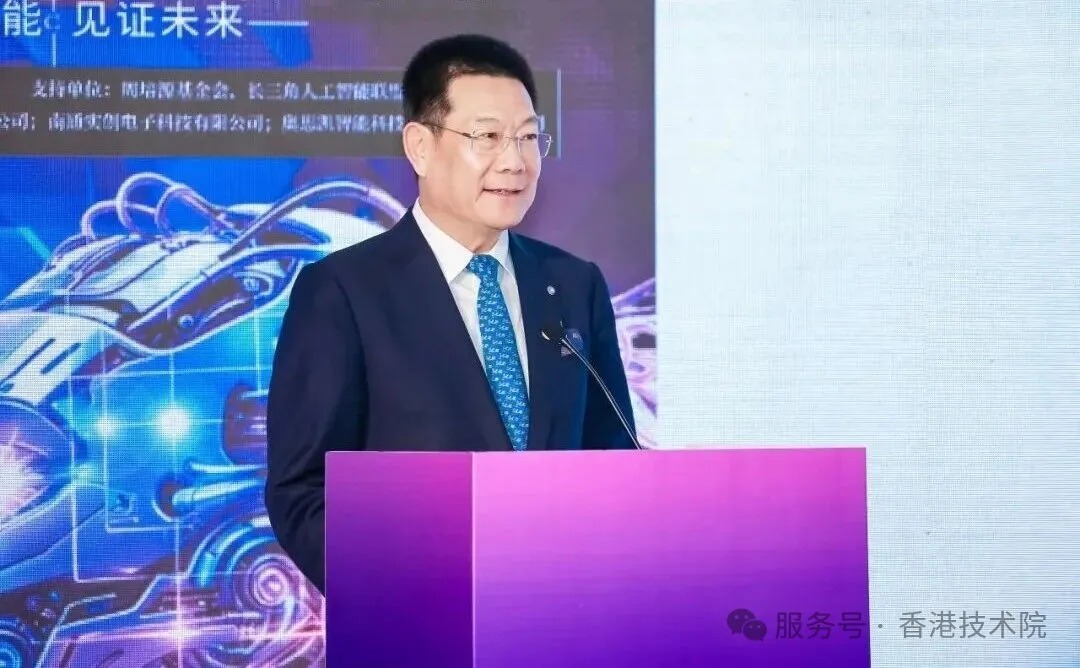 Prof. Zhong Weihe, President of the Macao Institute of Sino-Western Innovation
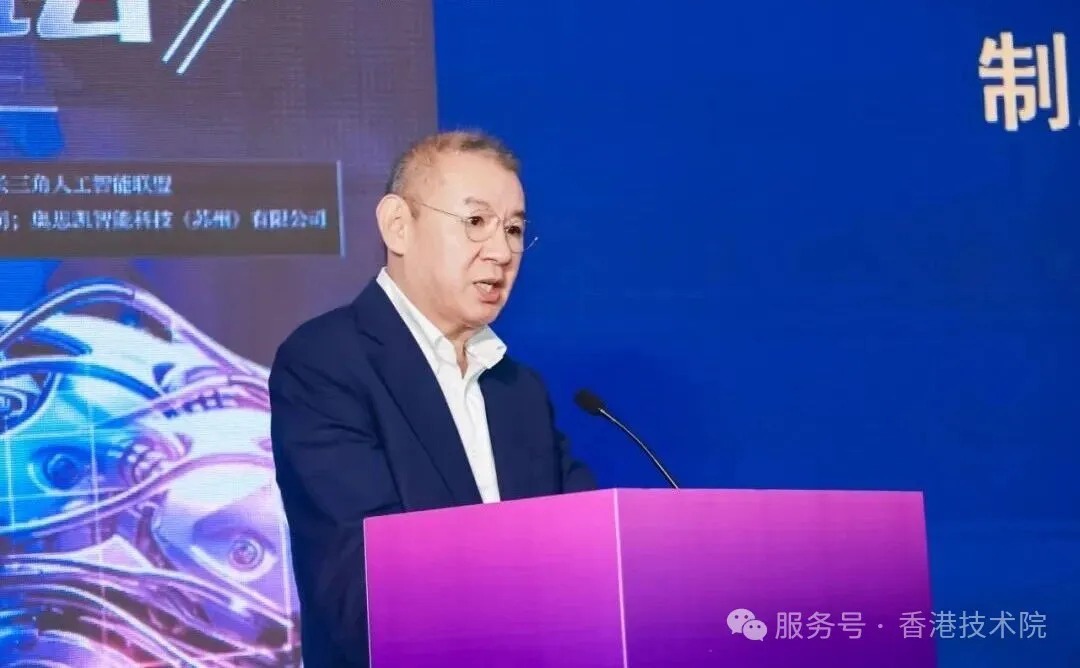 Prof. Ma Yide, University of Chinese Academy of Sciences
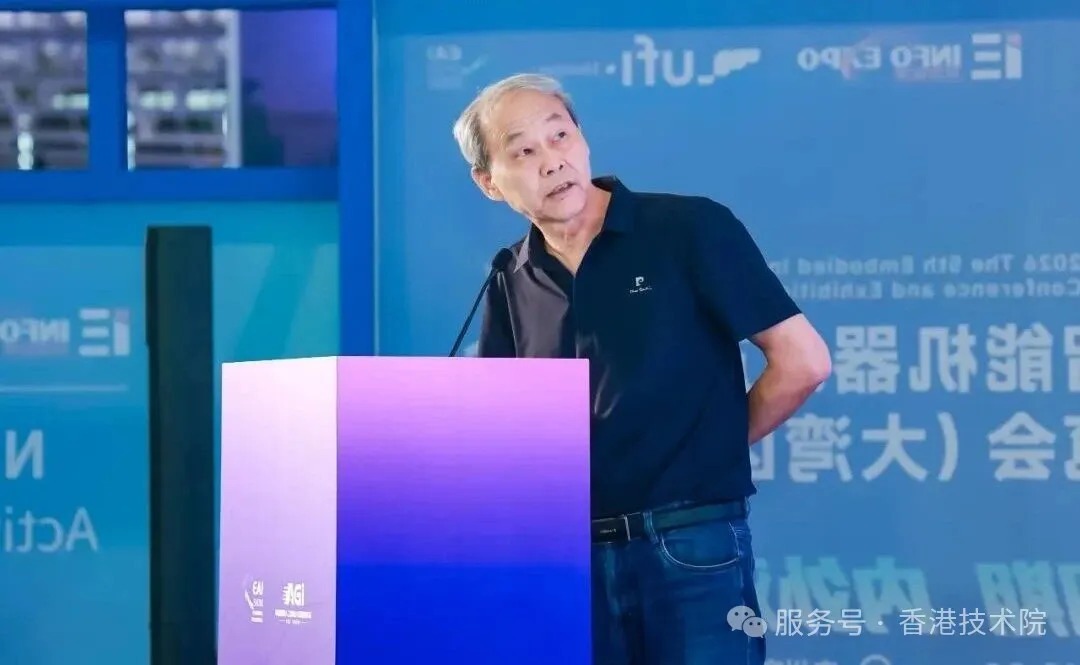 Prof. Yan Lei, Peking University
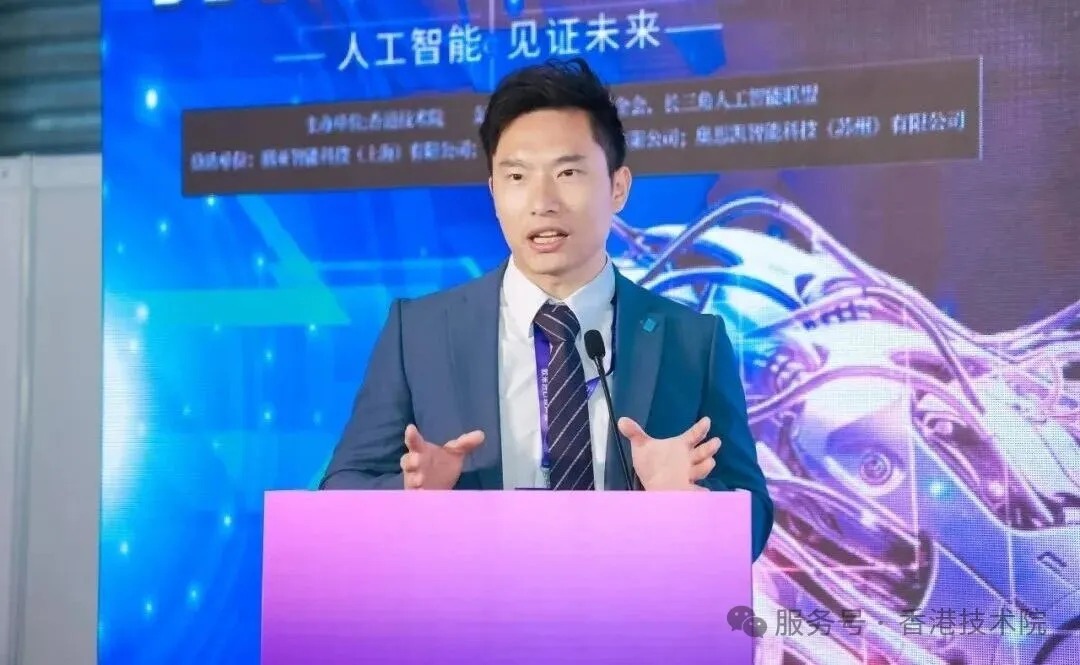 Dr. Li Huachao, Public Works Bureau of the Macao SAR Government
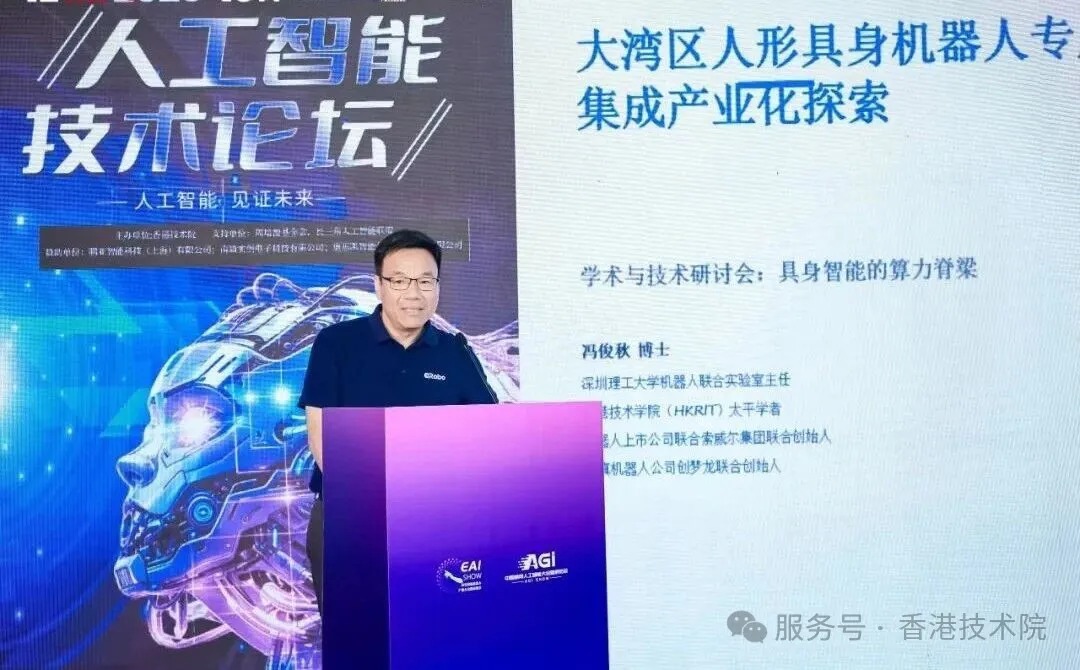 Researcher Feng Junqiu, Shenzhen University of Advanced Technology
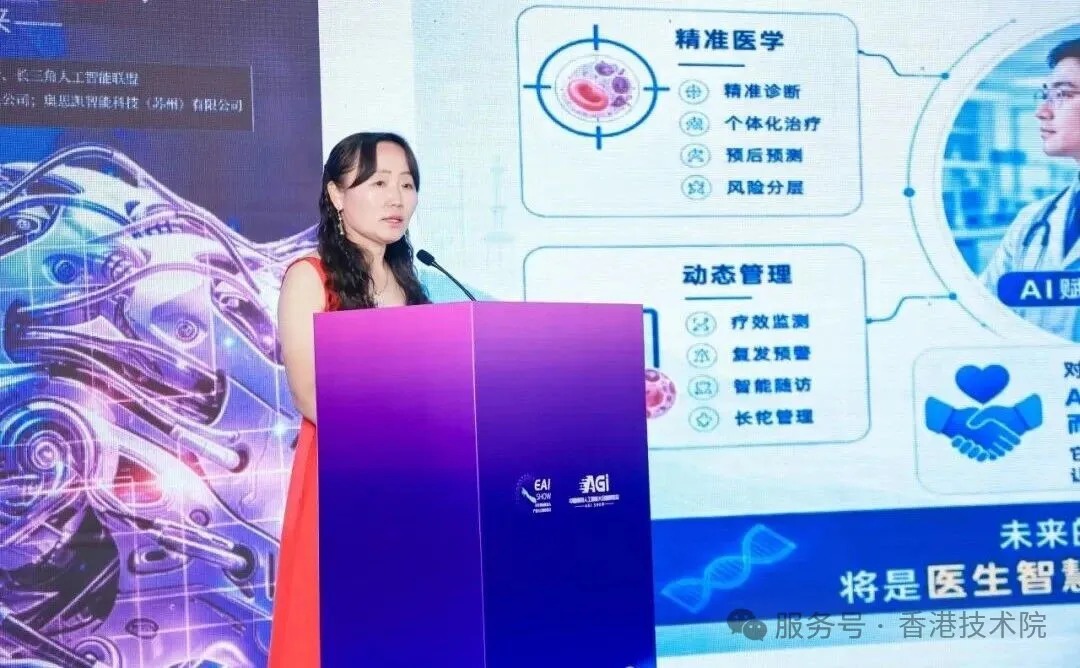 Dr. Li Zhihui, Chief Physician of Beijing Gobroad Boren Hospital
Technical Exchange
Prof. Cui Zhiguo, Executive Director of the China International Association for Promotion of Science and Technology, Deputy Secretary-General of the Zhou Peiyuan Foundation, and Director of HKRIT’s International Center for Science & Technology Innovation, delivered a keynote on cross-regional collaborative development of science and technology innovation.
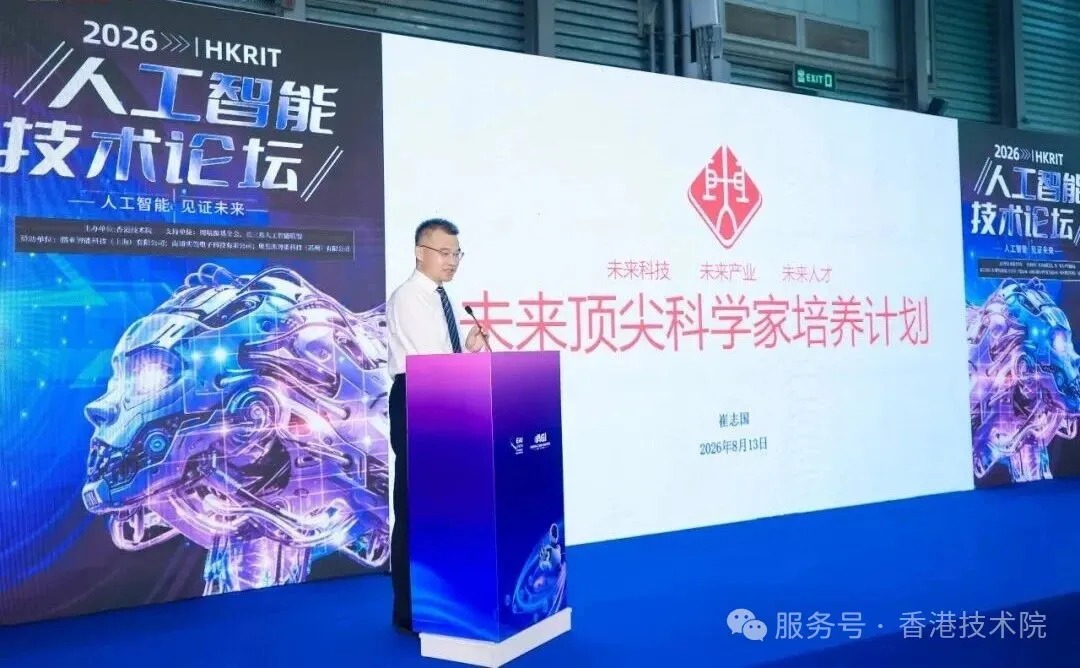 Prof. Cui Zhiguo, Director of HKRIT’s International Center for Science & Technology Innovation
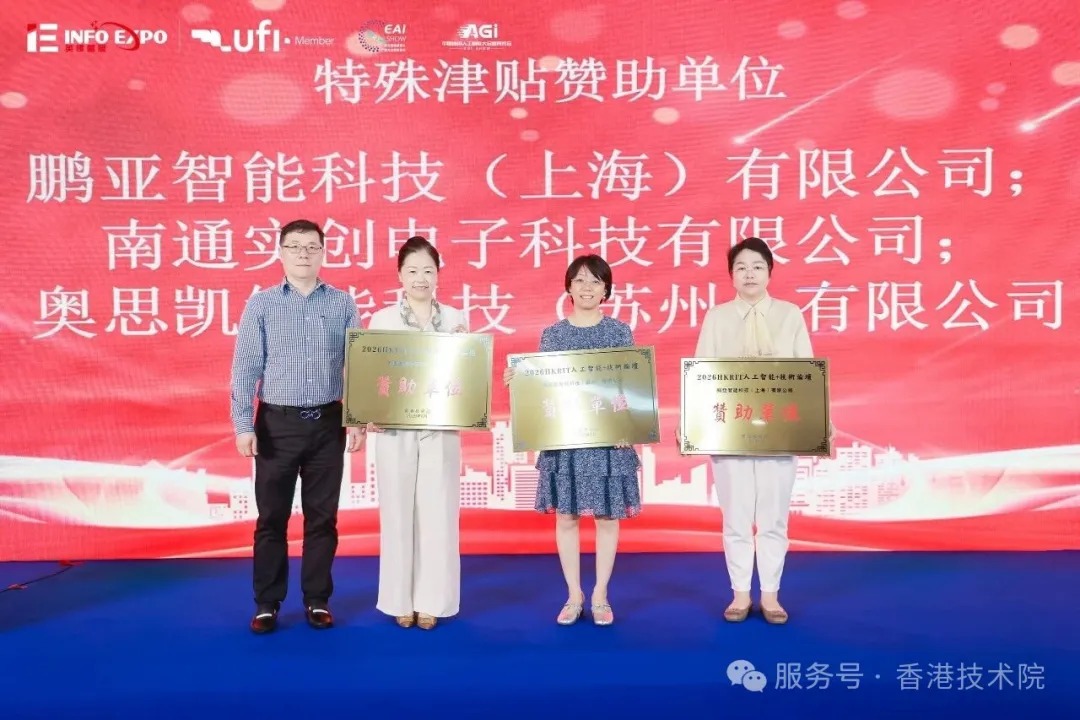
The event held ceremonies for inscription presentation, honorary credential conferral, and collaboration appointment letters: Mr. Lin Jiping, President of the Hong Kong Whampoa Military Academy Descendants and Friends Association, presented the personally inscribed “HKRIT” title; the “Scholar of the Peace” honor was conferred on Zhong Xianying, Zhong Weihe, Hu Zujie, Yan Lei, Ma Yide, and Wu Jiyi; certificates for Scholars of the Peace, Young Scholars of the Peace, and Special Allowance Experts were issued in batches; and plaque awards were presented to Pengya Intelligent Technology (Shanghai) Co., Ltd., Nantong Shichuang Electronic Technology Co., Ltd., and Aosikai Intelligent Technology (Suzhou) Co., Ltd. as allowance-sponsoring enterprises.
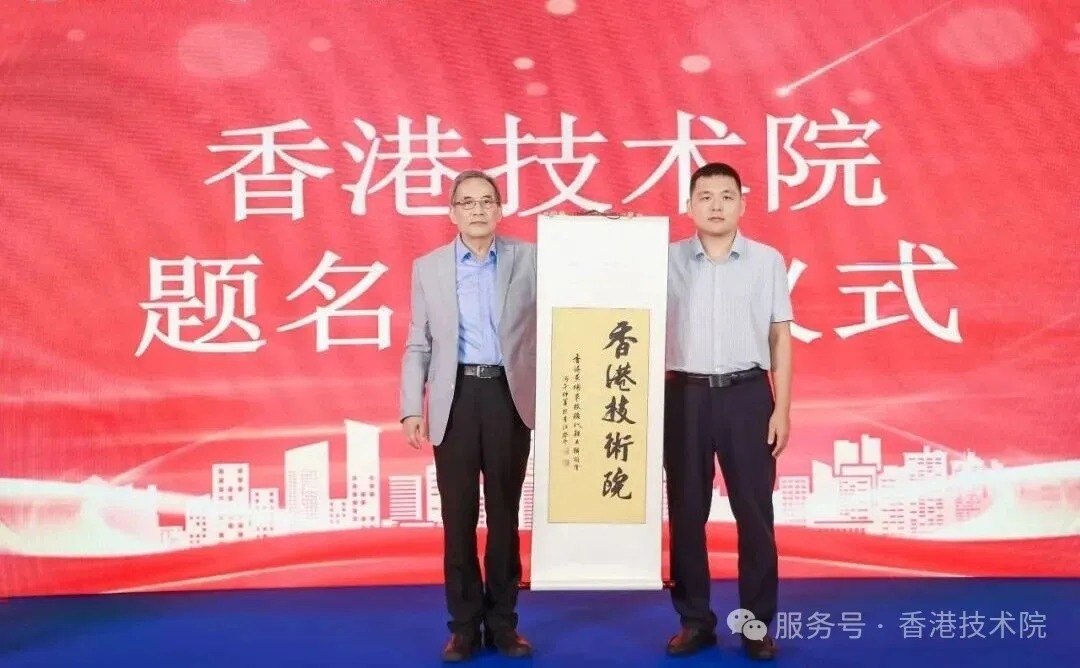
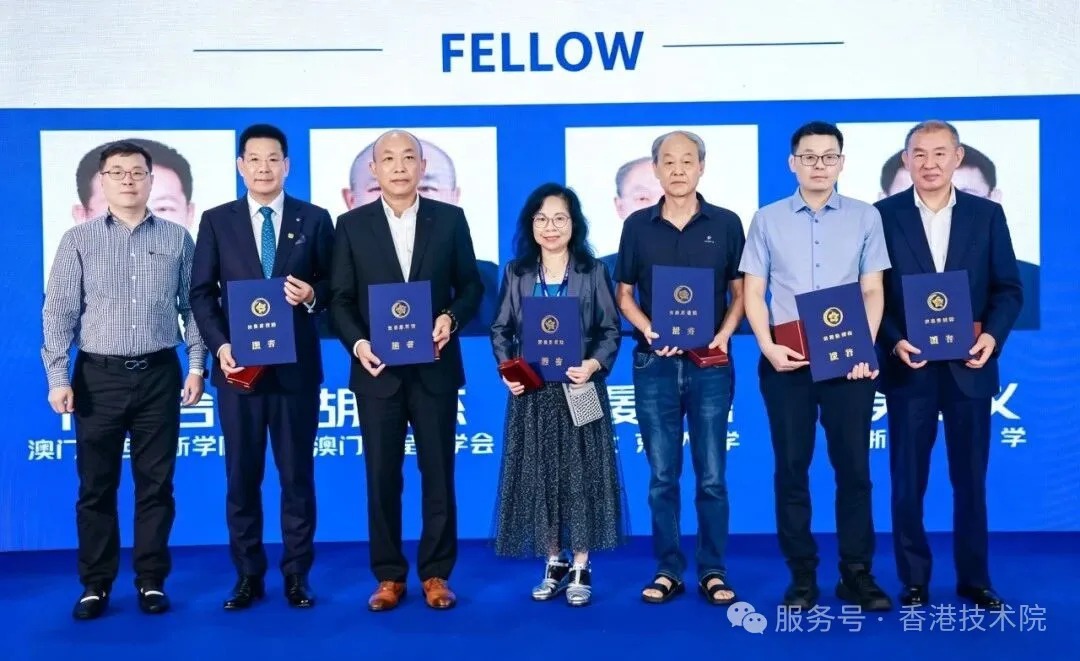
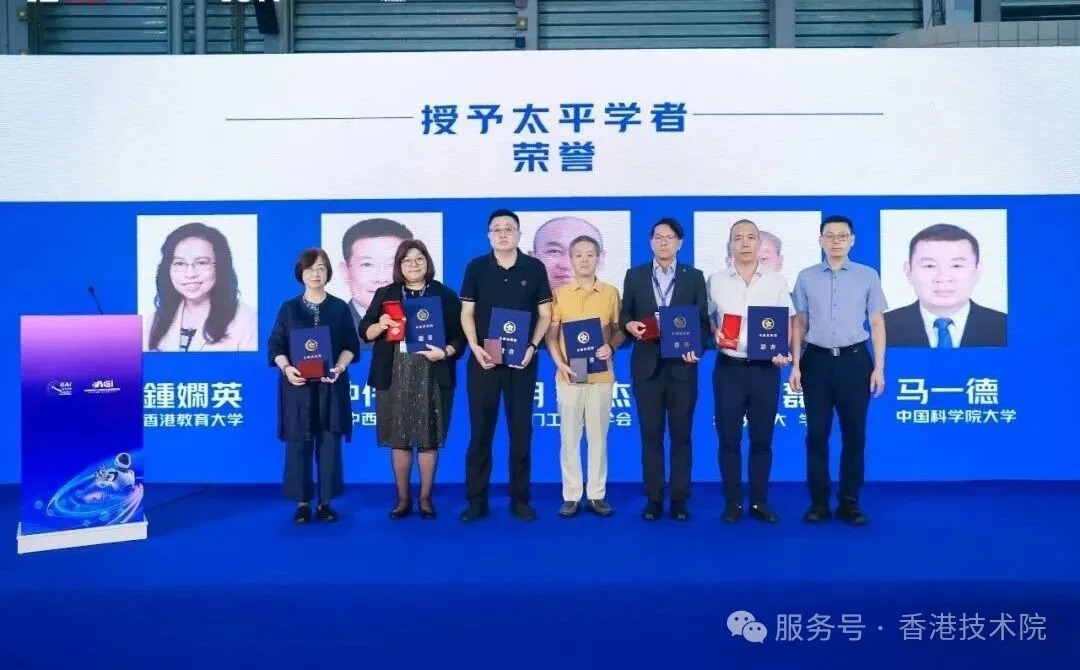
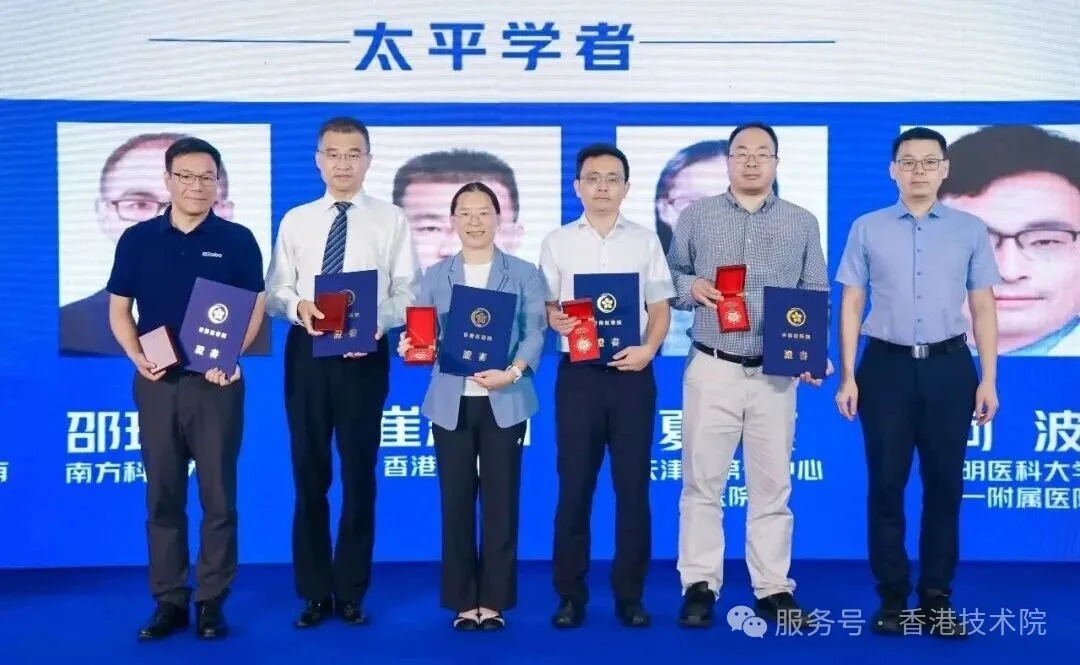
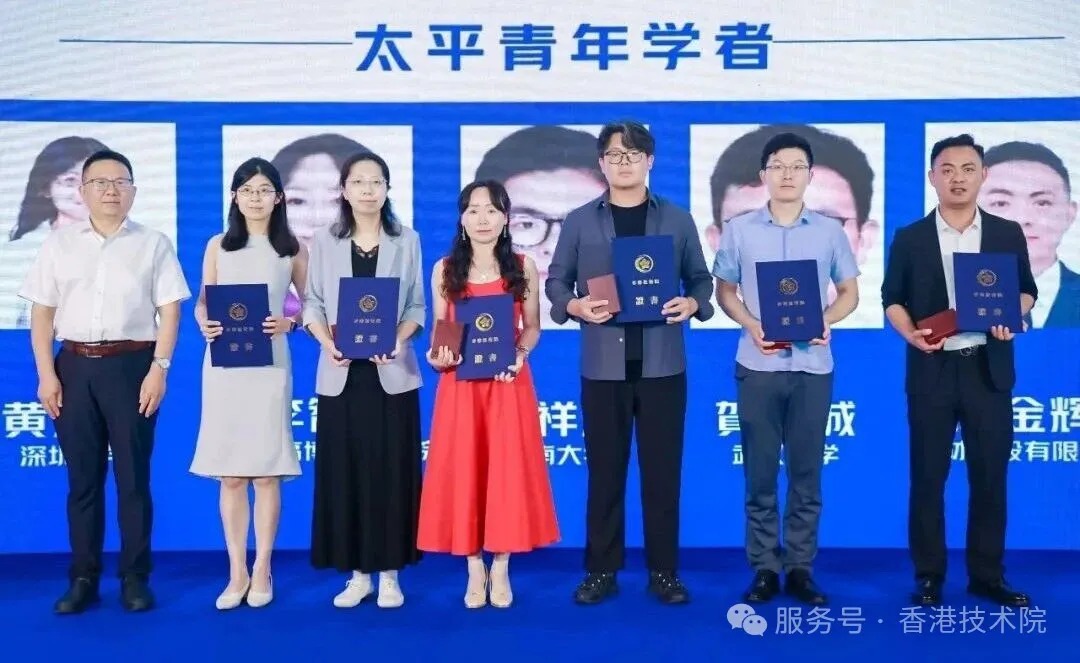
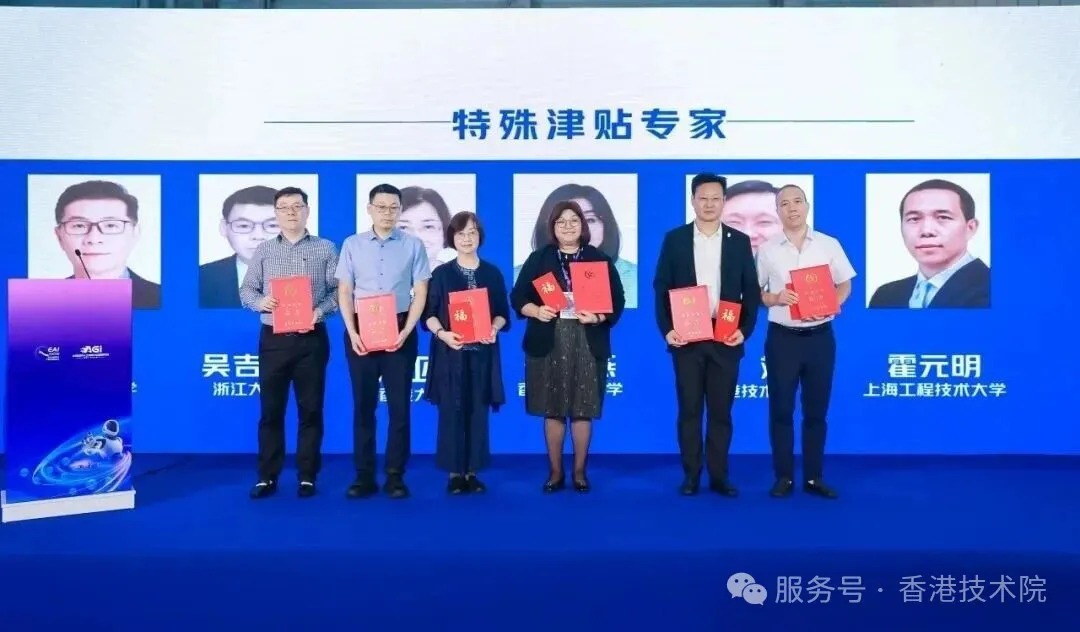
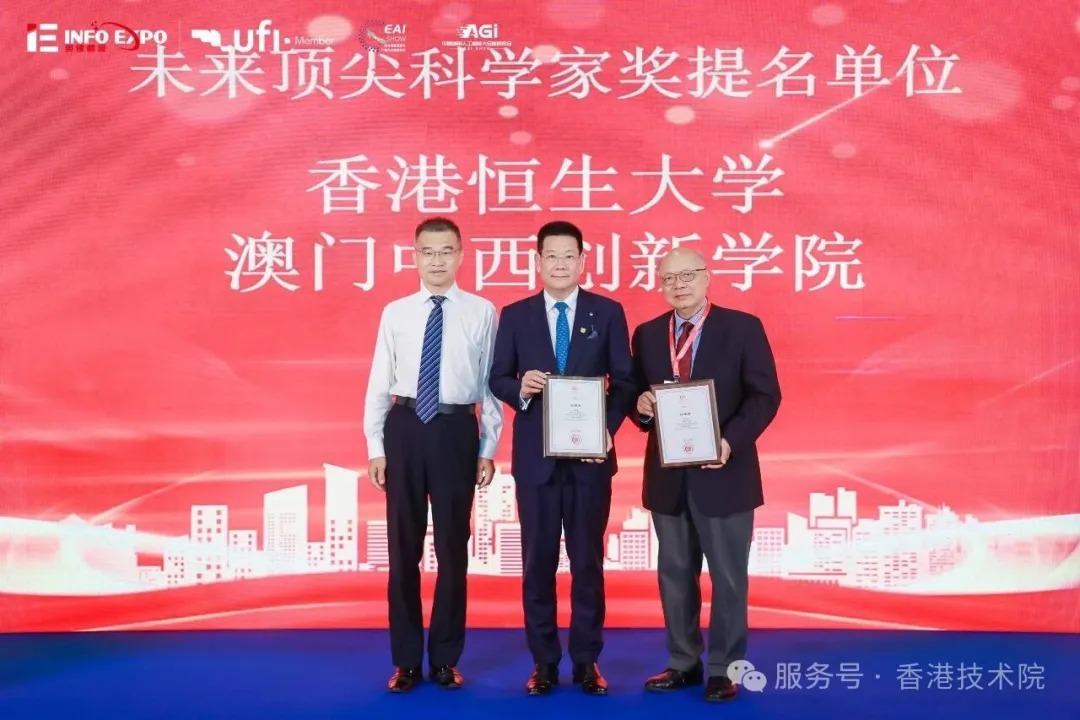
At the event, Hang Seng University of Hong Kong and the Macao Institute of Sino-Western Innovation were appointed as nominating institutions for the Future Top Scientist Award, and appointment letters for HKRIT Future Think Tank experts and China International Association for Promotion of Science and Technology experts were issued, continuously strengthening the high-end AI think tank talent pool connecting Shanghai, Hong Kong, and Macao.
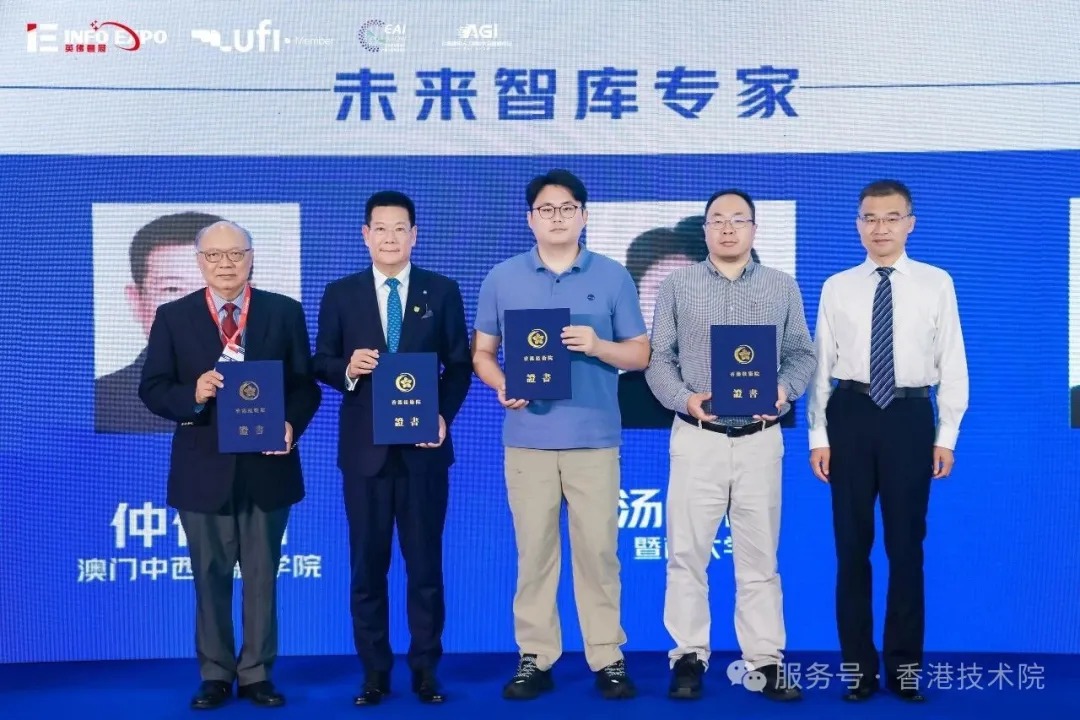
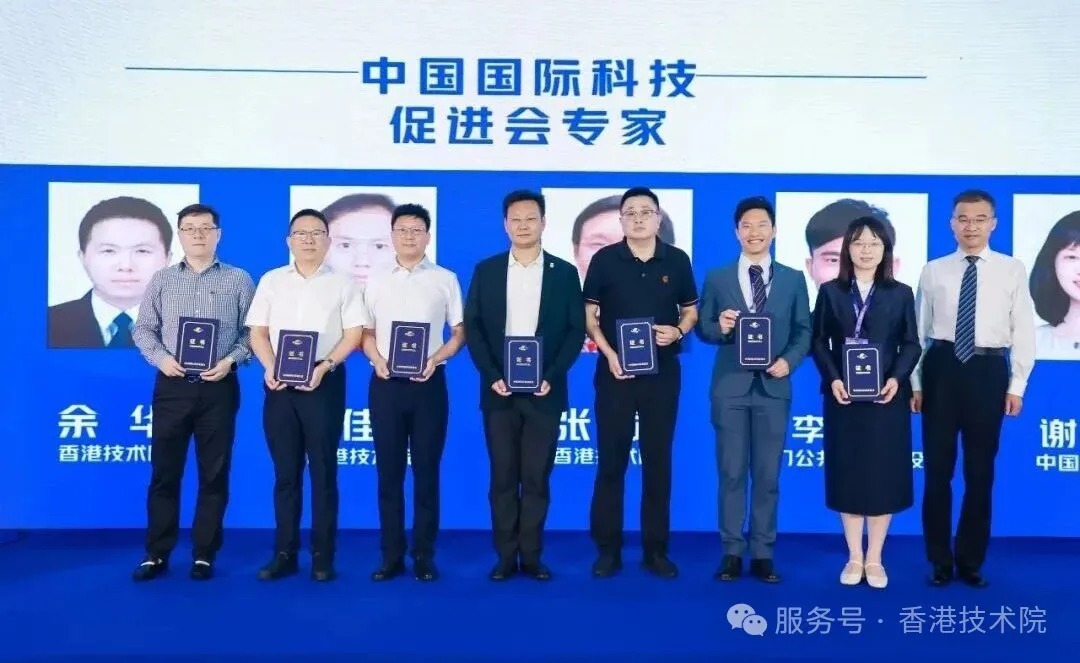
After all credential ceremonies concluded, the attending experts posed for a group photo, and the forum successfully completed its agenda.
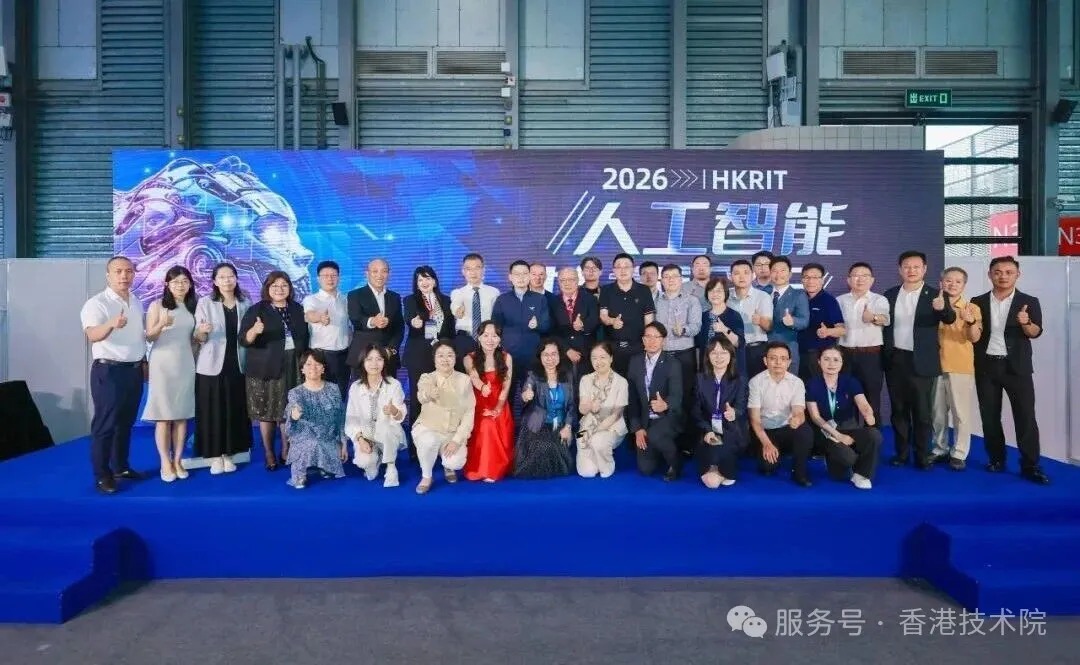
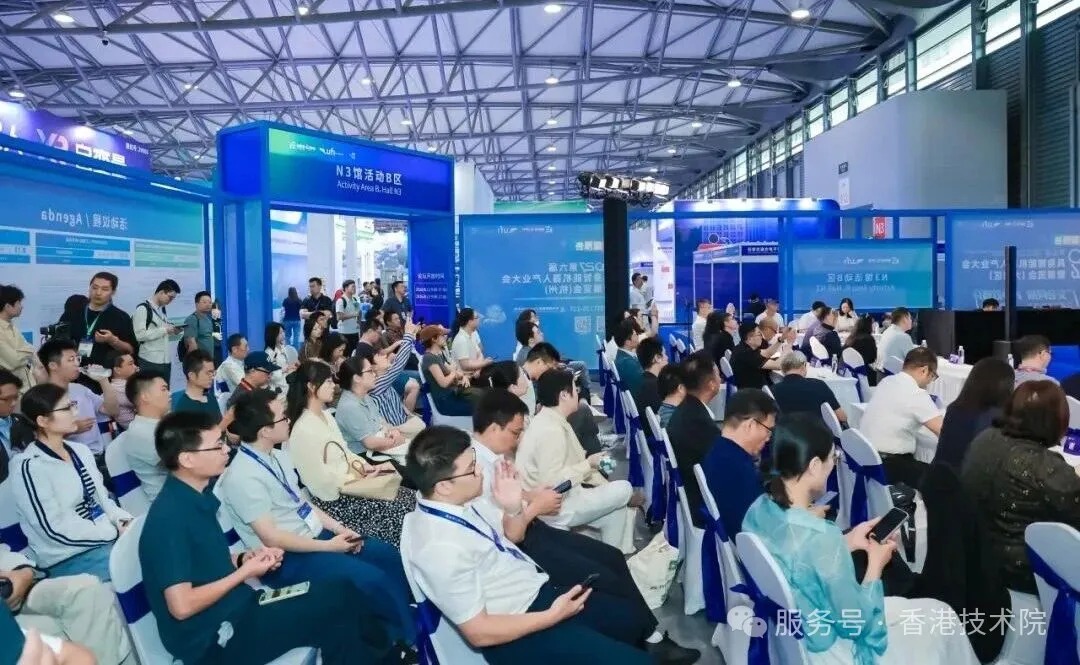
This forum established a normalized platform for science and technology exchange between the Yangtze River Delta and the Greater Bay Area, giving full play to HKRIT’s bridging role between the mainland, Hong Kong, and Macao — enabling efficient alignment of mainland industrial scenarios, Hong Kong and Macao’s international research resources, and global frontier technologies. The experts agreed that the Yangtze River Delta and Hong Kong, Macao and the Greater Bay Area are highly complementary in AI, and that deepening cross-regional collaborative innovation can accelerate breakthroughs in core technologies such as computing chips, humanoid robots, and the low-altitude economy, improve AI industry standards and supporting IP systems, and speed up the industrialization of innovation outcomes.
Going forward, the Academy will continue to deepen normalized cooperation with mainland, Hong Kong and Macao science and technology innovation communities. First, it will make full use of the forum platform to regularly host seminars, roadshows, and matchmaking events around key AI tracks, smoothing the channels between industry, academia, research, and demand. Second, it will promote the establishment of long-term mechanisms for talent exchange, joint research, and project incubation between mainland universities, research institutes, and tech enterprises and Hong Kong and Macao research institutions. Third, it will improve the support and cultivation system for science and technology talent, working with partners to identify and nurture young research leaders and build a cross-regional innovation talent pipeline. Fourth, it will leverage regional industrial foundations to receive and translate high-quality Hong Kong and Macao AI research outcomes, fostering the growth of local AI emerging industry clusters, and provide solid scientific and technological support for high-quality regional economic development and the deep integration of the mainland, Hong Kong, and Macao.